
Guide
The history of Paris in 6 great eras
Paris is more than 2,000 years old, and every century has left its mark in the layout of the streets, the names of the neighbourhoods and the stone of the monuments. Here is the city's history told era by era, each time, with where to see its traces today. A guide by the Timescope team, which has reconstructed the past of Paris with historians for 10 years.

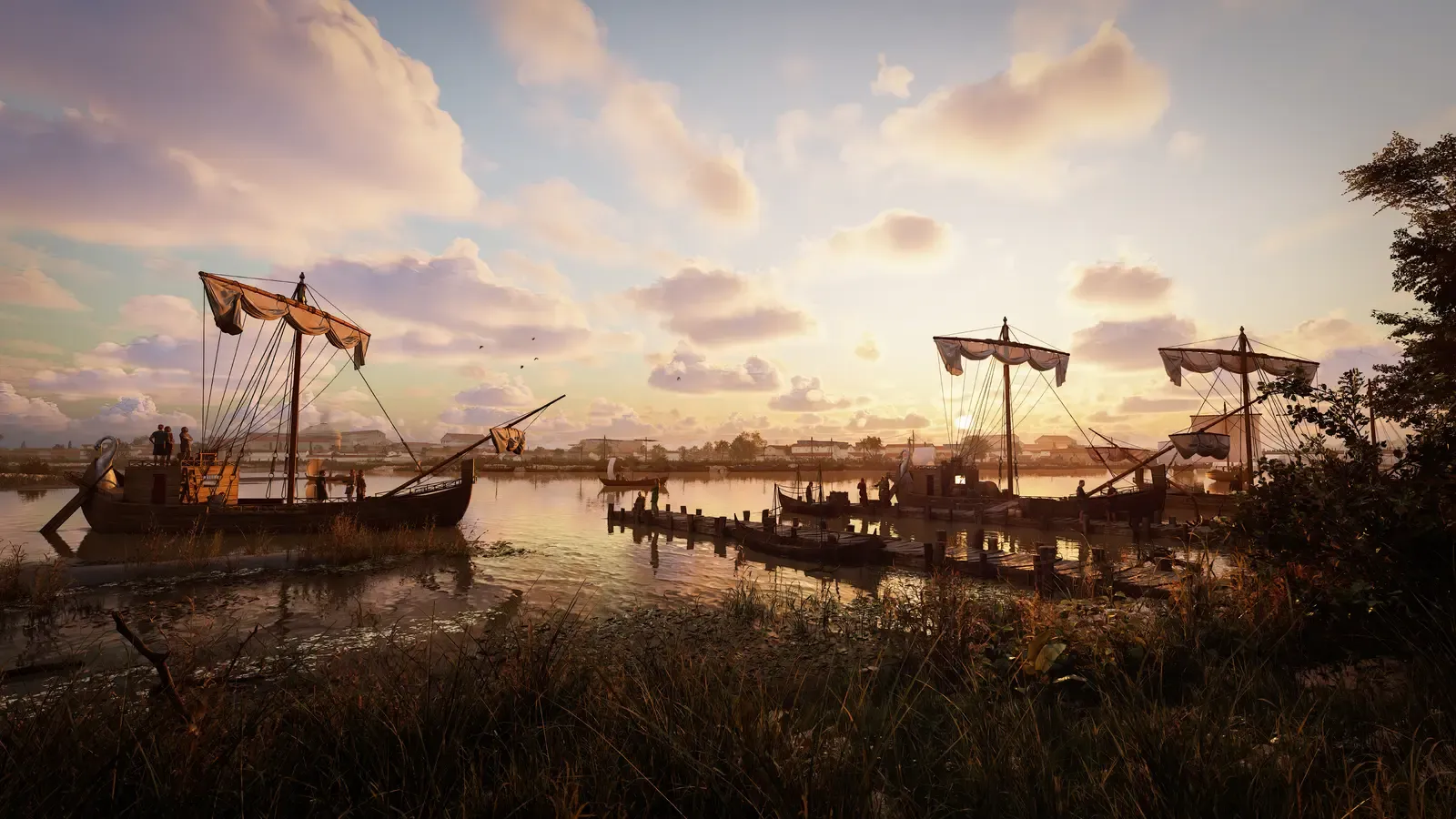
1. Lutetia, the Gaulish then Roman city (Antiquity)
Before Paris, there was Lutetia. In the 3rd century BC, the Gaulish Parisii settled on the banks of the Seine, around the Île de la Cité. Conquered by Rome in the 1st century BC, the city gained baths, a forum and an amphitheatre on the Left Bank. It is the name of the people, not of the Roman city, that eventually gave "Paris."
See today: the Arènes de Lutèce (5th, free) and the baths at the Cluny Museum.
2. Medieval Paris (5th-15th century)
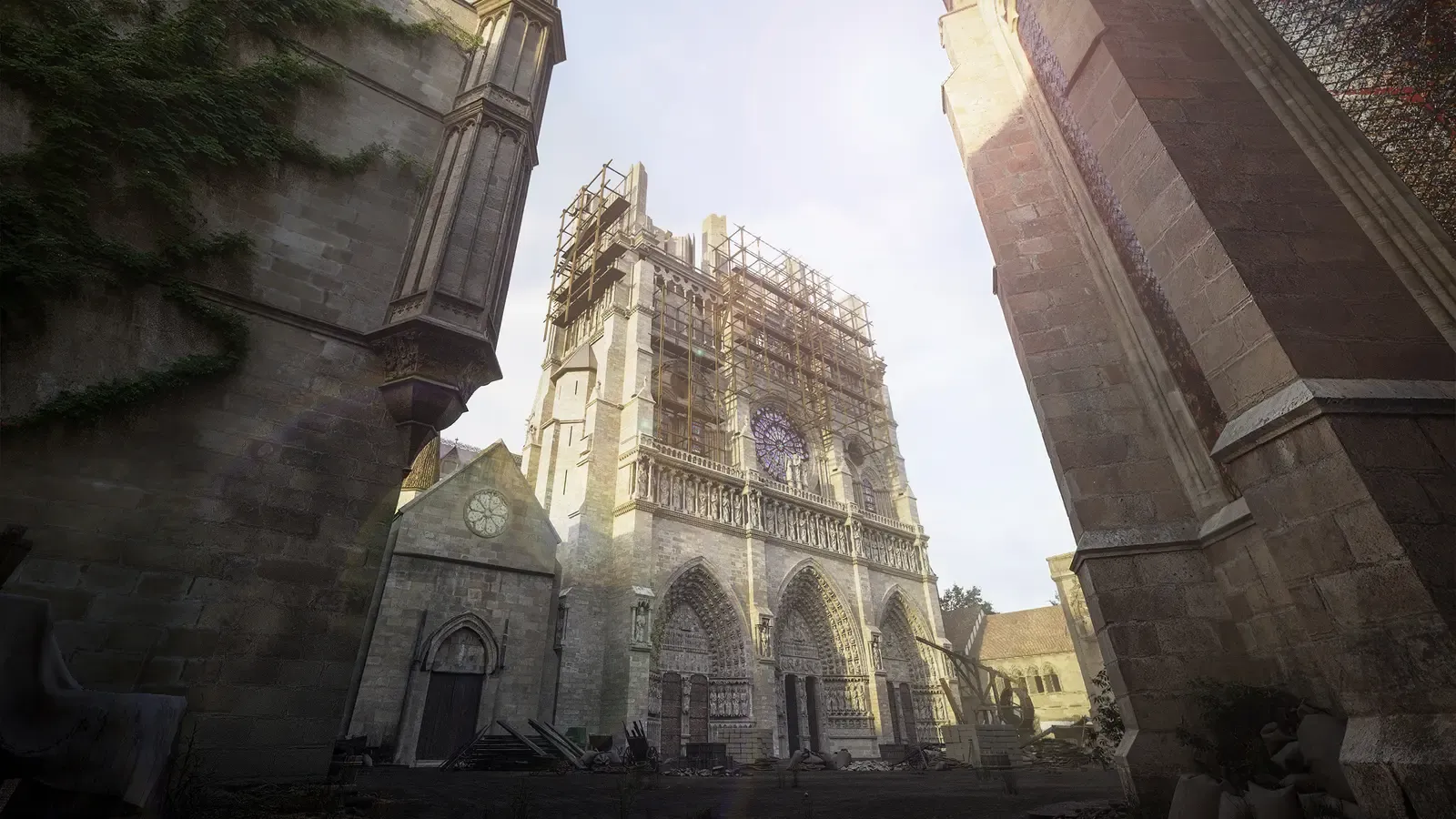
In the Middle Ages, Paris became the largest city in Christian Europe. Royal power settled on the Île de la Cité, commerce on the Right Bank (Place de Grève, today's Hôtel de Ville) and learning on the Left Bank, with the birth of the University in the 12th century, hence the "Latin Quarter." The building of Notre-Dame began in 1163, and King Philip Augustus had a fortress built to defend the Seine: the Louvre.
See today: the Conciergerie, the Sainte-Chapelle, the rampart remains on rue des Jardins-Saint-Paul. To see this Paris standing rather than in ruins, The Origins of Paris reconstructs it in virtual reality, on the riverbanks themselves.
3. Classical and royal Paris (16th-18th century)
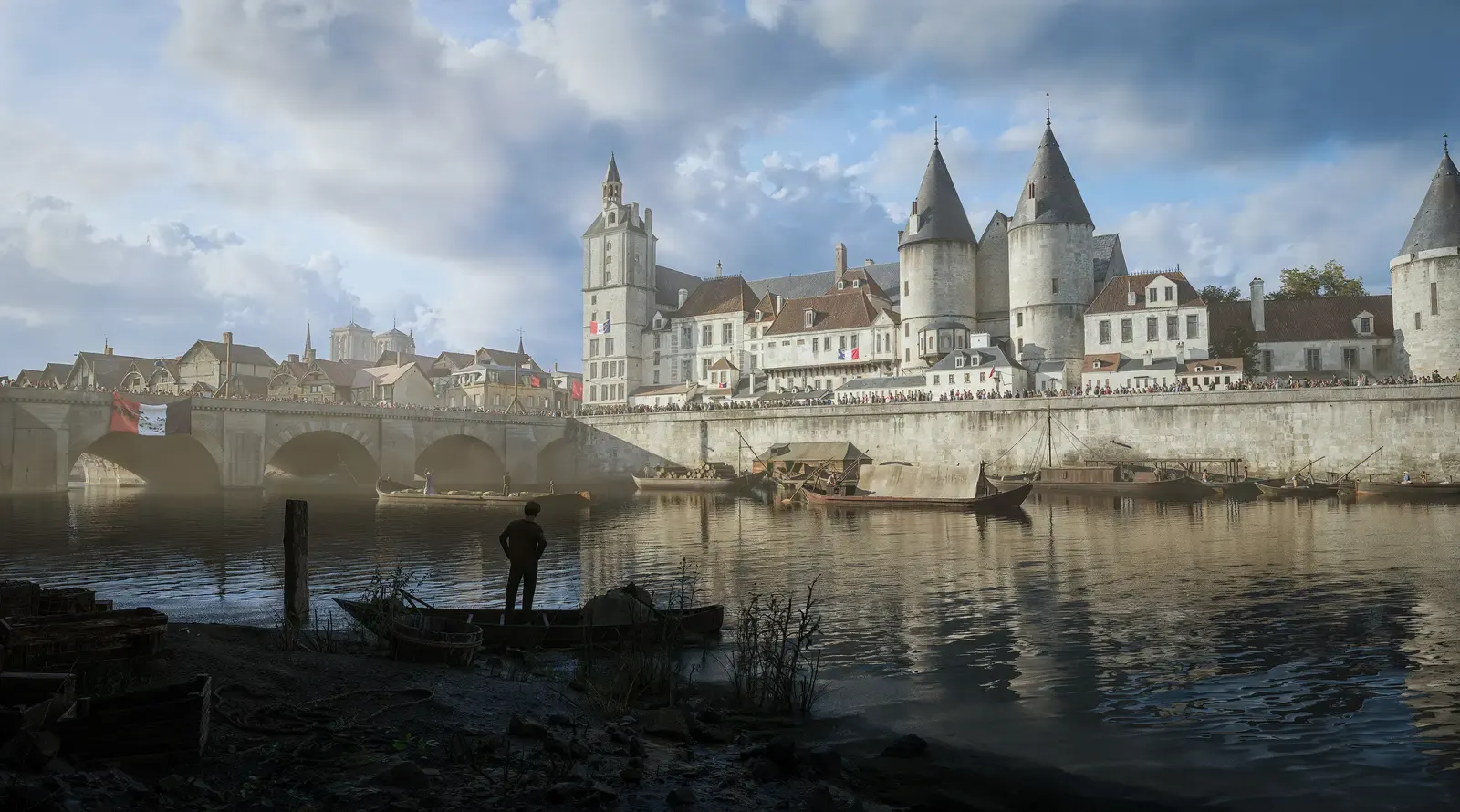
From the Renaissance to the Enlightenment, Paris was embellished: the Place des Vosges (1612), the Pont-Neuf, Les Invalides, the first grand mansions of the Marais. The city became a capital of arts, salons and the ideas that would lead to 1789.
See today: the Place des Vosges, the Marais and its mansions, the Pont-Neuf.
4. The French Revolution (1789)
On 14 July 1789, the storming of the Bastille changed history. Paris became the epicentre of the Revolution: the Conciergerie turned into the antechamber of the guillotine, the Place de la Concorde into a place of execution. It is one of the periods Timescope reconstructed in its early days, with the historian Héloïse Bocher.
See today: the Place de la Bastille (the prison is gone, its outline marked on the ground), the Conciergerie, the Place de la Concorde.
5. Haussmann's Paris (19th century)
Under Napoleon III, Baron Haussmann radically transformed the city: wide boulevards, uniform buildings, parks, sewers, stations. Much of medieval, insalubrious Paris disappeared. The century ended in apotheosis with the 1889 World's Fair and its contested star: the Eiffel Tower.
See today: the Grands Boulevards, the Opéra Garnier, and of course the Eiffel Tower, whose birth The Symbol of Paris tells in immersion, on the Champ-de-Mars. See also our Eiffel Tower area guide.

6. Contemporary Paris (20th-21st century)
The Roaring Twenties, the Occupation and the Liberation, the great cultural projects (Pompidou, the Louvre and its pyramid, the BnF): the 20th century made Paris a world capital of culture. The city keeps reinventing itself, from the pedestrianised riverbanks to the 2024 Games.
See today: the Centre Pompidou, the redesigned riverbanks, the Carnavalet Museum (devoted entirely to the history of Paris).
How to experience a historical visit of Paris?
You can read the history of Paris; you can also see it. That is the whole idea of Timescope: on the very places where history happened, our virtual-reality Binoculars bring yesterday's scenery back over today's. Every reconstruction is developed with historians, for The Origins of Paris and The Symbol of Paris, with the historian Géraud Létang. A scientific method that guarantees what you see is historically verified.
Frequently asked questions
What are the main periods of Paris history?
Paris has lived through six great eras: Gallo-Roman Lutetia (Antiquity), medieval Paris (Middle Ages), classical and royal Paris (16th-18th c.), the Revolution (1789), Haussmann's Paris (19th c.) and contemporary Paris. Each left traces still visible today.
Where does the name "Paris" come from?
From the Parisii, a Gaulish people settled on the banks of the Seine from the 3rd century BC. The Romans named their city Lutetia, but the name of the people, Paris, eventually prevailed in the 4th century.
How old is Paris?
More than 2,000 years. The Gaulish settlement of the Parisii, then Roman Lutetia, are attested since Antiquity; the Île de la Cité has been inhabited for over two millennia.
How can I see old Paris today?
On site: the Conciergerie and Sainte-Chapelle for the Middle Ages, the Carnavalet Museum for the city's history, the Arènes de Lutèce for Antiquity. And in immersion: The Origins of Paris experience brings each era's Paris back to life in virtual reality, on the banks of the Seine, where it actually happened.